
If your vehicle is fitted with summer tyres by default, there has to be a reason for that. But in any case… what are the main characteristics that make them suitable for our climate? And when should they be changed for winter tyres? Monsieur Pneus will explain it in detail.
SUMMER TYRES: WHY AND WHEN
GOOD PERFORMANCE IN MILD WEATHER
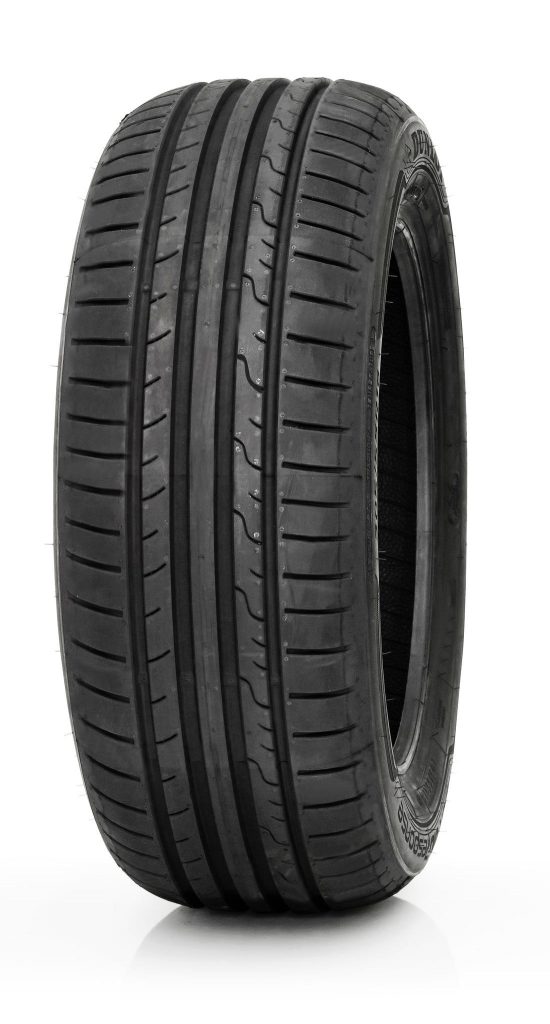
‘Summer’ here is rather restrictive as a term. In Belgium, you can actually drive with summer tyres for a bit over half of the year*. And when the mercury climbs and the tarmac is heating up, they’re strongly recommended. They provide driving comfort and safety on both wet and dry surfaces thanks to the following characteristics:
- Relatively hard rubber that softens when heated, giving good grip even during hot weather.
- With a ribbed structure, they have excellent grip – including when turning – even during heavy rainfall.
- The simplicity of the structure gives a large footprint on the road and allows effective breaking.
* Except when the temperature falls below 7°C. You then need to switch to winter tyres. Find out why here
Have your winter tyres fitted by Monsieur Pneus.
Your benefits:
- With or without an appointment, it’s up to you
- Always in stock, whatever your tyre reference (over 3,000 new tyres)
- Fitting, balancing and adjustment by our team of professionals
- Optimal storage conditions for your summer tyres (over 54,000 tyres)
- Pickup service
- Find out about additional services here
Monsieur Pneus’ tips and tricks
Keep an eye on the thermometer.
To guarantee your comfort and safety, pop in to Monsieur Pneus to change your winter tyres for summer tyres when temperatures rise above 7°C (generally in the spring). Not sure about anything? Get in touch with us, we’ll be happy to give advice!


A question, advice, select your centre:
Demand Monsieur Pneus’ level of quality at one of our centres.
Wi-Fi access, working spaces and waiting areas available for you

Do you have an urgent question?
Monday to Friday from 8 a.m. to 6 p.m.
Call us direct on 02/736.00.04
Do you have an urgent question?
Monday to Friday from 8 a.m. to 6 p.m.
Call us direct on 02/652.50.08